
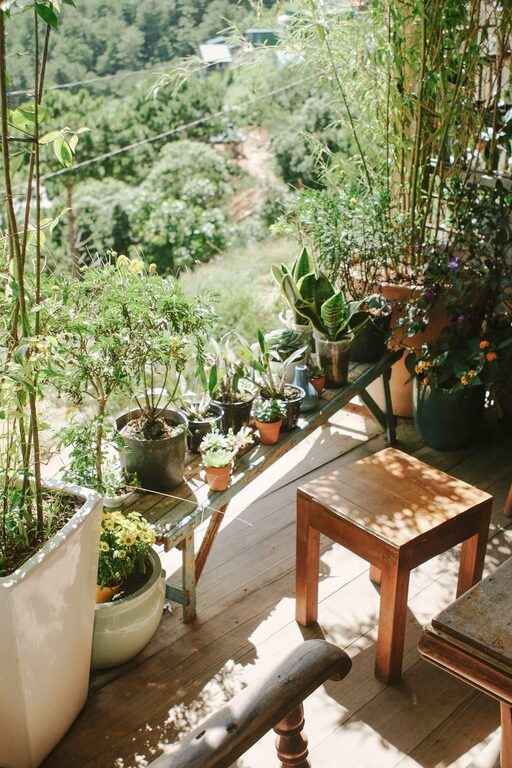
Creating a relaxing outdoor space in your garden can greatly enhance your quality of life. Whether you have a small balcony or a large backyard, designing an area dedicated to peace and comfort allows you to connect with nature and take a break from daily stresses. This guide offers practical tips to help you transform your garden into a soothing sanctuary.
Choose a Calm Colour Palette
When selecting colours for cushions, furniture, and garden décor, opt for calming shades such as soft greens, blues, and neutrals. These tones mimic natural elements and encourage relaxation. Avoid overly bright or clashing colours, which can feel stimulating rather than restful.
Incorporate Comfortable Seating
Comfortable seating is essential for an inviting outdoor space. Consider options such as:
– Cushioned benches
– Hammocks or swings
– Weatherproof rattan chairs
– Outdoor sofas with soft fabrics
Make sure the seating supports good posture and encourages relaxation. Adding throw pillows and blankets can increase comfort, especially on cooler evenings.
Use Plants to Create a Soothing Atmosphere
Plants play a vital role in making outdoor spaces tranquil. Use a mix of:
– Evergreen shrubs for year-round greenery
– Flowering plants with gentle fragrances like lavender or jasmine
– Grasses and ferns for texture and movement in the breeze
Plants can also function as natural screens to create privacy, reducing outside noise and visual distractions.
Add Water Features for Calm Sounds
The sound of water is known to be very calming. Consider installing:
– Small fountains
– Birdbaths
– Ponds or water bowls
The gentle noise can drown out background sounds such as traffic and provide a peaceful soundtrack to your outdoor moments.
Create Zones for Different Activities
Design your garden with distinct areas to cater to various uses, such as:
– A seating area for reading or chatting
– A dining zone with a table and chairs for outdoor meals
– A space for yoga or meditation
Zoning helps clarify the purpose of each part of your garden and makes it more functional and inviting.
Use Soft Lighting
Lighting affects the mood of your garden after the sun sets. Choose soft, warm lighting options like:
– Fairy lights draped over trees or fences
– Solar-powered garden lamps
– Lanterns with candles or LED lights
Avoid harsh, bright lights that can disturb the calm atmosphere.
Incorporate Natural Materials
Using natural materials such as wood, stone, and bamboo can help your garden feel more harmonious with its surroundings. Consider:
– Wooden decking or patios
– Stone pathways
– Bamboo screens
These materials add texture and warmth without feeling artificial.
Keep the Space Tidy and Clutter-Free
A tidy garden feels more relaxing. Regularly trim plants, clear away debris, and limit unnecessary items. Storage solutions like garden sheds or benches with hidden compartments can keep tools and cushions organised.
Include Personal Touches
Add elements that reflect your personality and interests to make the space truly welcoming. Some ideas include:
– Artistic sculptures or wind chimes
– A small herb or vegetable patch
– Decorative pots and garden ornaments
These personal touches can bring joy and a sense of ownership to your garden retreat.
Plan for Shelter and Shade
To enjoy your garden comfortably in different weather, create sheltered areas. Options include:
– Pergolas with climbing plants
– Retractable awnings
– Large umbrellas
Shelter protects you from harsh sun and light rain, extending the usability of your outdoor space.
—
By following these tips, you can create a beautiful, relaxing outdoor space that invites calm and enjoyment. Whether for quiet reflection, socialising with friends, or simply enjoying nature, a well-designed garden can become your favourite peaceful retreat. Remember to plan according to your space, lifestyle, and preferences to make your garden uniquely yours.