
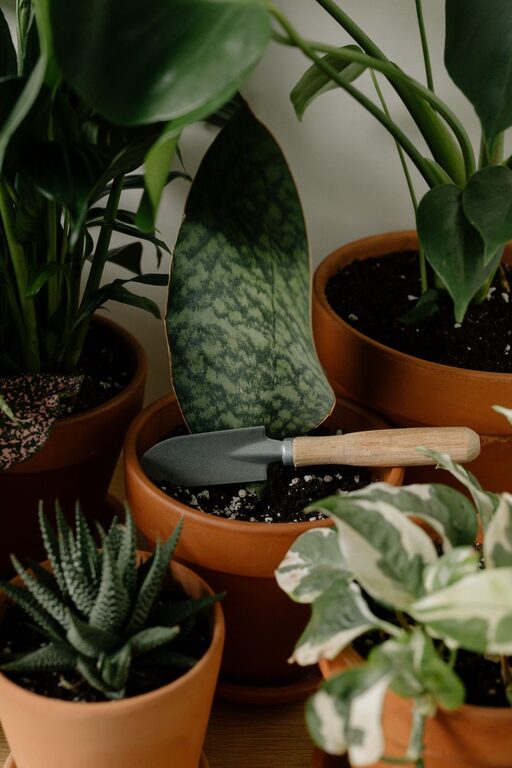
Indoor plants have become a popular addition to many homes and workplaces, and for good reason. Beyond their natural beauty, indoor plants offer a range of benefits that can enhance your living space and wellbeing. In this post, we explore the key advantages of having indoor plants and share simple advice on how to care for them effectively.
Why Choose Indoor Plants?
Improve Air Quality
Indoor plants naturally filter the air by absorbing carbon dioxide and releasing oxygen. Certain species also remove toxins such as formaldehyde, benzene, and ammonia from the air, creating a cleaner and healthier environment. This can be especially valuable in spaces with limited ventilation.
Boost Mood and Reduce Stress
Studies have shown that being around plants can reduce feelings of stress and anxiety. Their presence fosters a sense of calm and connection with nature, which can improve focus and productivity. Adding greenery to your space may help create a more positive and relaxing atmosphere.
Enhance Home Decor
Indoor plants add texture, colour, and life to any room. They complement a variety of interior styles, from modern to rustic. With numerous shapes and sizes available, you can find plants that suit your taste and available space, making your home feel more inviting and personalised.
Increase Humidity Levels
Plants release moisture into the air through a process called transpiration. This can increase humidity in dry environments, helping to ease symptoms like dry skin, irritated eyes, and respiratory issues. Maintaining proper humidity is particularly useful during winter months when indoor air tends to be drier.
—
Choosing the Right Indoor Plants
Before bringing plants home, consider factors such as:
– Light availability: Some plants require bright sunlight, while others thrive in low light.
– Space: Ensure you have enough room for the plant to grow comfortably.
– Maintenance: Choose plants that match your ability and willingness to care for them.
– Pets: Select pet-friendly options if you have animals to avoid any health risks.
Popular beginner-friendly plants include spider plants, pothos, snake plants, and peace lilies.
—
Tips for Caring for Indoor Plants
1. Understand Light Requirements
Light is crucial for photosynthesis – the process by which plants produce energy. Position your plants according to their specific needs:
– High light plants: Place near south or west-facing windows.
– Low light plants: Suitable for north-facing windows or rooms with indirect sunlight.
Rotate plants regularly to ensure even growth and prevent them from leaning towards the light source.
2. Water Wisely
Overwatering is a common mistake that can lead to root rot. Here’s how to water correctly:
– Check the soil moisture before watering by inserting your finger about an inch deep.
– Water when the topsoil feels dry but avoid letting the plant sit in standing water.
– Use pots with drainage holes to allow excess water to escape.
Different plants have varying watering needs, so research each species accordingly.
3. Maintain Humidity
Many indoor plants thrive in humid conditions. To boost humidity around your plants:
– Mist leaves occasionally with water.
– Group plants together to create a micro-humid environment.
– Use a humidity tray filled with water and pebbles beneath your plant pots.
– Consider a room humidifier if the air is very dry.
4. Feed Your Plants
Indoor plants need nutrients to grow well, which they get from soil naturally but can become depleted over time. Use a balanced, water-soluble fertiliser during the growing season (spring and summer) following package instructions. Avoid over-fertilising as this can harm plants.
5. Prune Regularly
Pruning removes dead or yellowing leaves and promotes healthy new growth. Use clean, sharp scissors or pruning shears to trim away any damaged parts. This also helps improve air circulation around the plant.
6. Watch Out for Pests
Keep an eye out for common indoor pests like spider mites, aphids, and mealybugs. Signs include sticky residue, webbing, or discoloured leaves. If you spot pests:
– Remove affected leaves.
– Wash the plant with a mild soap solution or neem oil.
– Isolate the plant to prevent spreading to others.
—
Additional Tips for Plant Success
– Choose the right pot size: Avoid pots that are too large or too small, as they can affect root health.
– Clean leaves occasionally: Dust on leaves can reduce photosynthesis. Gently wipe them with a damp cloth.
– Repot when necessary: Most indoor plants outgrow their pots after a year or two. Repotting promotes healthy root growth.
– Provide good airflow: Ensure plants are not overcrowded and can breathe freely.
—
Conclusion
Indoor plants are an excellent way to beautify your space while improving air quality and boosting wellbeing. By understanding their needs and following simple care guidelines, you can enjoy thriving plants that bring joy and freshness to your home or office. Whether you’re new to gardening or a seasoned plant enthusiast, these tips can help you maintain a green and healthy indoor garden.
Happy planting!