
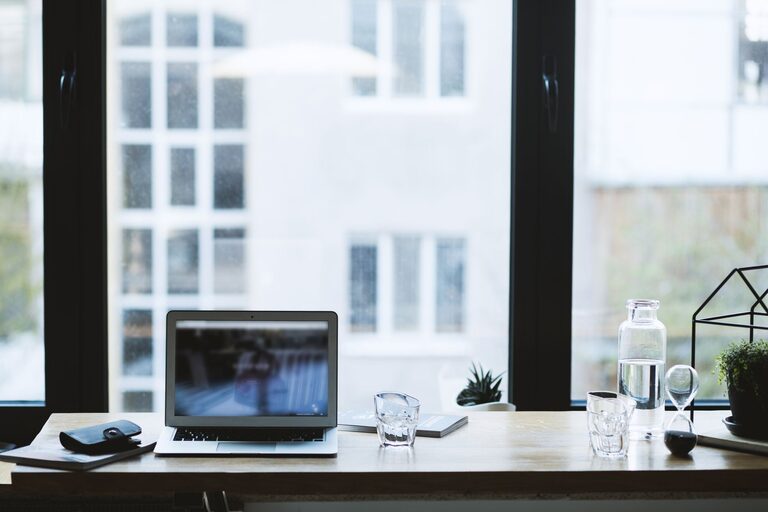
Working from home offers flexibility and convenience, but it also comes with challenges, especially when it comes to staying productive. Creating an effective home office environment is key to maintaining focus and getting work done efficiently. Whether you have a dedicated room or a small corner in your living space, these tips will help you shape a productive workspace tailored to your needs.
Choose the Right Location
Selecting the optimal spot for your home office is the first step. Ideally, choose a quiet area away from distractions such as the kitchen, TV, or busy family spaces. If you don’t have a separate room, use room dividers or screens to define your workspace. Good natural light can boost mood and energy, so set up near a window if possible.
Invest in Comfortable Furniture
Comfort is essential for maintaining productivity and avoiding physical strain.
– Ergonomic Chair: A chair with good lumbar support reduces back pain and promotes good posture.
– Appropriate Desk Height: Your desk should allow your elbows to rest at around 90 degrees when typing.
– Adjustable Furniture: Consider a desk or chair that can be adjusted to fit your body and preferences.
Remember, investing in quality furniture is an investment in your health and work efficiency.
Keep Your Workspace Organised
Clutter can hinder focus and increase stress. Here are ways to keep your desk tidy:
– Use trays, organisers, or drawers to store stationery.
– Implement cable management solutions to avoid tangles.
– Only keep essential items on your desk to maintain a clean surface.
– Schedule a few minutes at the end of each day for tidying up.
Optimise Lighting
Lighting plays a big role in how well you can concentrate. To get the best results:
– Use a mix of natural and artificial light sources.
– Position your screen to avoid glare from windows or lights.
– Consider task lighting such as a desk lamp for focused work.
– Choose bulbs with daylight colour temperature (around 5000K–6500K) to mimic natural light.
Minimise Distractions
Distractions are productivity killers, so create boundaries:
– Inform household members of your working hours.
– Use noise-cancelling headphones or play soft background music if noise is unavoidable.
– Turn off non-work-related notifications on your devices.
– Set specific break times to avoid burnout.
Personalise Your Space
A workspace that feels personal and inspiring can motivate you. Add elements that brighten your mood, such as:
– A few plants to improve air quality and aesthetics.
– Inspiring artworks or quotes on the walls.
– Personal photos or meaningful objects.
However, avoid overcrowding your space with distractions.
Set Up Efficient Technology
Ensure your tech setup supports your work tasks smoothly:
– Reliable and fast internet connection.
– A good quality monitor or laptop with the appropriate specs.
– Organised files and shortcuts for quick access.
– Backup solutions to protect your data.
Invest time in learning shortcuts or productivity apps that suit your workflow.
Maintain a Consistent Routine
Consistency helps your mind associate the space with work:
– Start your day at the same time, just as you would in an office.
– Take regular breaks to stretch and refresh.
– Dress comfortably but keep it work-appropriate to get into a professional mindset.
– Set goals and daily to-do lists to keep on track.
Create Zones Within Your Home Office
If space allows, designate different areas for varied tasks:
– A focus zone for deep work and concentration.
– A reading or brainstorming corner.
– A spot for meetings or calls.
Changing your environment within the office can stimulate creativity and reduce monotony.
Keep Air Quality and Temperature Comfortable
A pleasant environment supports alertness and comfort:
– Open windows regularly for fresh air.
– Use a fan or heater to maintain a comfortable temperature.
– Incorporate air-purifying plants if possible.
Final Thoughts
Designing a productive home office environment is about balancing comfort, organisation, and personal preferences. By thoughtfully setting up your space, minimising distractions, and maintaining good habits, you can create a home workspace that supports your productivity and wellbeing. Remember, the best home office is one that suits your unique needs and helps you focus on what matters most.