
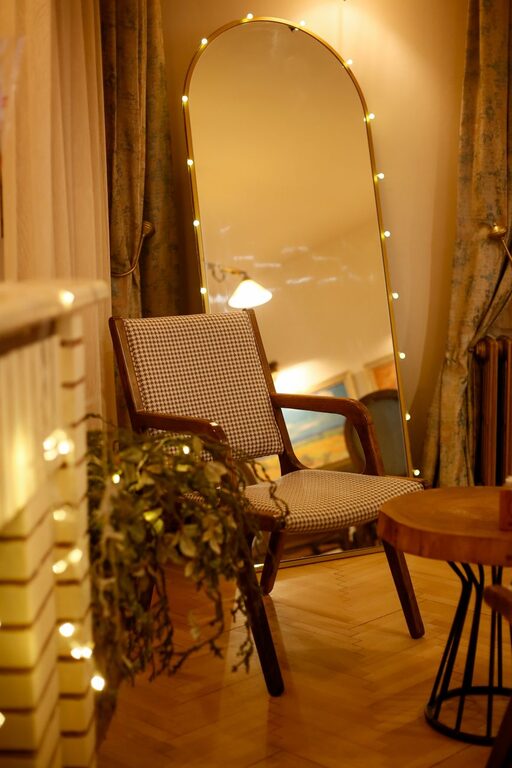
Creating a cosy and inviting home environment is something many of us strive for. A welcoming space can improve our mood, encourage relaxation, and make time spent at home more enjoyable. Whether you live in a small flat or a spacious house, there are simple steps you can take to make your home feel warm and inviting.
In this post, we’ll explore practical tips to help you achieve a cosy atmosphere, focusing on lighting, textures, colours, layout, and personal touches.
Choose Warm and Layered Lighting
Lighting is one of the easiest ways to influence the feel of a room. Harsh, bright lighting can make a space feel cold and unwelcoming, while soft, warm lighting creates a comforting atmosphere.
– Opt for warm-white bulbs rather than cool-white ones, as they mimic natural light at sunset and produce a gentle glow.
– Use multiple light sources in each room, such as a mix of ceiling lights, table lamps, and floor lamps. Layered lighting allows you to adjust the mood depending on the occasion.
– Add candles or fairy lights for an extra touch of warmth and charm, especially in the evenings.
– Consider dimmer switches for overhead lights to give you greater control over brightness levels.
Incorporate Soft Textures and Fabrics
Textures contribute greatly to the tactile and visual warmth of your home. Including soft materials invites comfort and encourages you to relax.
– Introduce cushions and throws made from materials like wool, cotton, velvet, or faux fur to your sofas, chairs, and beds.
– Use rugs to soften floors, especially if you have hard flooring such as wood or tiles. Rugs can add colour and pattern while making the space feel more intimate.
– Choose curtains or blinds in natural fabrics to gently diffuse daylight and add softness to windows.
– Layer bedding in the bedroom with cosy quilts or blankets to create a snuggly retreat.
Use Warm and Soothing Colours
Your choice of colours can greatly affect how your home feels.
– Stick to warm, muted tones such as soft beiges, creams, terracotta, olive green, or warm greys. These hues tend to be calming and invite relaxation.
– Add pops of colour through accessories like cushions, artwork, or vases to keep things interesting without overwhelming the senses.
– Consider natural wood finishes or elements with earthy hues to bring a sense of nature indoors.
– Avoid overly bright or cold colours like stark whites or neon shades in main living areas, as these can feel too clinical or energetic.
Arrange Your Furniture Thoughtfully
How you place your furniture influences the flow and overall feel of a room.
– Create conversational areas by grouping seating pieces so people can face each other comfortably.
– Avoid cluttering spaces; allow enough room to move freely and let light flow through.
– Use smaller side tables near seats for convenience and to encourage lingering.
– Include a favourite reading chair or nook where you can unwind with a book or cup of tea.
– Position furniture to take advantage of natural light, making spaces feel brighter and more uplifting during the day.
Add Personal Touches and Natural Elements
Your personality and nature can bring warmth and charm to your space.
– Display photos, artwork, or souvenirs that hold special meaning and remind you of happy memories.
– Incorporate plants, which add life, colour, and help purify the air. Choose low-maintenance varieties if you’re new to gardening.
– Use natural materials like wood, stone, or clay in your decor for an earthy, grounded feeling.
– Bring in scents through natural candles, essential oil diffusers, or dried flowers to enhance atmosphere and evoke comfort.
– Keep your space tidy and organised, as clutter can create stress and detract from serenity.
Maintain a Comfortable Temperature and Fresh Air
A cosy home is also one that feels physically comfortable.
– Ensure good ventilation by opening windows regularly if possible to let fresh air circulate.
– Keep your heating at a comfortable level, especially in colder months, to avoid chilliness.
– Use draft excluders, thicker curtains, or rugs to keep rooms warmer and reduce noise.
– Consider using a humidifier if your home’s air tends to be dry, particularly during winter heating periods.
Embrace Simplicity and Intentional Design
Sometimes less is more when aiming for a cosy home.
– Declutter regularly to keep your rooms feeling calm and spacious.
– Choose quality pieces that you love, rather than filling spaces with unnecessary items.
– Prioritise comfort over trendiness so your home truly reflects what makes you feel relaxed and happy.
—
Creating an inviting home doesn’t require a full renovation or expensive purchases. Small changes in lighting, texture, colour, and layout can make a big difference. Most importantly, choose elements and decorations that resonate with you—this personal connection makes a house feel truly like home.
By following these simple tips, you can build a warm, soothing environment where you and your guests will feel welcome all year round.