
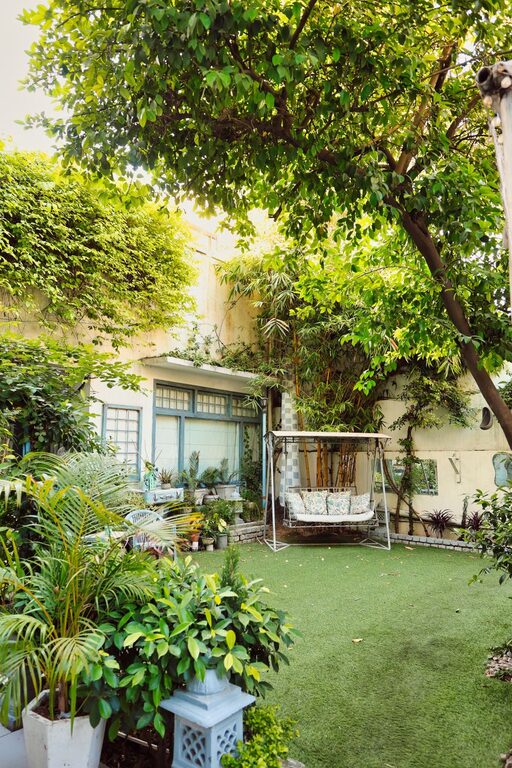
Creating a relaxing garden space at home can provide a perfect retreat from daily stresses. Whether you have a large backyard or a small balcony, designing a peaceful outdoor area is achievable with thoughtful planning and a few key elements. This guide offers practical tips to help you transform your garden into a serene haven.
Why Create a Relaxing Garden Space?
A garden isn’t just about plants; it’s a place to unwind, connect with nature, and refresh your mind. Spending time outdoors in a calm setting has been shown to reduce stress and improve wellbeing. By designing your garden with relaxation in mind, you ensure it serves as a restorative space for you and your family year-round.
Planning Your Garden Space
Assess Your Outdoor Area
Begin by evaluating the size and shape of your garden or outdoor space. Take note of how much sunlight the area receives throughout the day, existing plants or trees, and any structural features like fences or walls. Knowing these details helps you decide which plants will thrive and where to place seating or decorative elements.
Choose a Style That Suits You
Gardens come in many styles such as formal, cottage, Japanese, or Mediterranean. Select a style that appeals to your personal taste and complements your home’s exterior. This can guide your choice of plants, colour schemes, and furniture types to create a cohesive and inviting environment.
Selecting Plants for Peace and Beauty
Focus on Colours and Fragrance
Soft, muted colours such as greens, blues, and purples tend to create a calming effect, while bright colours can energise a space. Incorporate plants with gentle fragrances like lavender, jasmine, or rosemary to engage your senses and enhance relaxation.
Embrace Variety and Seasonal Interest
Mix evergreens with flowering plants to ensure your garden remains attractive throughout the year. Choose perennials for low maintenance and include some seasonal blooms for a changing display. Adding herbs or edible plants can also add interest and purpose to your garden.
Comfort and Practicality with Seating
Choose Comfortable and Inviting Furniture
A relaxing garden needs a comfortable seating area where you can sit back and enjoy the surroundings. Options include cushioned benches, hammocks, garden chairs, or even a small sofa set designed for outdoors. Ensure the furniture is weather-resistant and suits the scale of your garden.
Create Multiple Seating Zones
If space allows, consider creating different seating areas for varied purposes—such as a quiet corner for reading, a spot for socialising, and a dining area for meals. This flexibility makes your garden more functional and inviting.
Enhancing Atmosphere with Lighting
Use Soft, Warm Lights
Outdoor lighting extends the usability of your garden into the evening hours and adds a magical touch. Choose warm-toned lights like fairy lights, lanterns, or solar-powered garden lamps to create a gentle glow without harshness.
Highlight Features with Spotlights
Spotlighting specific plants, water features, or paths draws attention to these elements and adds depth to your garden. This technique can make your garden feel larger and more dynamic while maintaining a tranquil mood.
Incorporating Water Elements
Add the Soothing Sound of Water
The gentle sound of running water is known to be calming and can mask background noise. Consider adding a fountain, birdbath, or small pond to your garden. Even a simple water feature can become the focal point of a relaxing space.
Support Wildlife and Biodiversity
Water features attract birds, butterflies, and other wildlife, which enrich the garden’s atmosphere and create a sense of harmony with nature.
Creating Shade and Shelter
Use Pergolas, Umbrellas, or Trees
Good shelter protects you from the elements and creates a cosy environment. Pergolas or garden umbrellas provide shade during sunny days, while strategically planting trees can offer natural shelter and contribute to the garden’s appeal.
Consider Privacy Options
Screens, trellises covered with climbing plants, or hedges can create privacy and a feeling of enclosure, making your garden a personal sanctuary away from neighbours or passers-by.
Adding Personal Touches and Decorations
Use Garden Ornaments Thoughtfully
Select garden ornaments that reflect your personality without overcrowding the space. Wind chimes, sculptures, or rustic pots can add charm and interest.
Incorporate Soft Textiles and Accessories
Outdoor rugs, throw cushions, and blankets designed for outdoor use add comfort and style. These elements help to create an inviting and homely feel.
Maintaining Your Relaxing Garden
Regular Care for Longevity
A relaxing garden requires consistent maintenance, such as watering, weeding, feeding plants, and cleaning seating areas. Establish a simple routine to keep your garden looking its best and preserve its peaceful character.
Adapt Your Garden Over Time
As seasons change, so will your garden’s needs and appearance. Don’t hesitate to update plants, rearrange furniture, or refresh decorations to keep your garden enjoyable year-round.
Final Thoughts
Creating a relaxing garden space requires careful thought about layout, plants, furniture, and accessories. By combining natural elements with comfort and personal touches, you can design an outdoor escape that invites tranquillity and rejuvenation every day. Start small and enjoy the process of turning your garden into the perfect place to relax at home.