
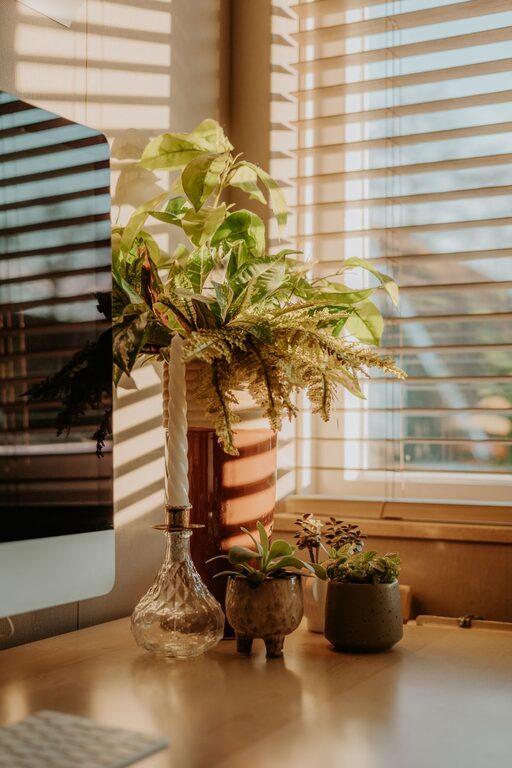
Creating a cosy and inviting home office is more important than ever, as many of us spend hours working from home. A comfortable and well-organised space not only makes working more enjoyable but also helps improve focus and productivity. Whether you have a dedicated room or a small corner in your living area, simple touches can transform your workspace into a haven of calm and creativity. Here are some easy tips to help you achieve that.
1. Choose the Right Location
Prioritise Natural Light
If possible, set up your home office near a window. Natural light can lift your mood and help reduce eye strain. Position your desk so that sunlight comes from the side, avoiding glare on your screen.
Consider Quietness and Privacy
Pick a spot in your home where you can work without distractions. This might be a spare room, a quieter corner of the house, or even a section separated by a room divider. Privacy helps maintain focus and keeps your work-life boundaries clear.
2. Invest in Comfortable Furniture
Ergonomic Chair and Desk
Comfort is key to lasting productivity. A good ergonomic chair with adjustable height and back support makes a big difference. Choose a desk that fits your needs, offering enough surface area to organise your essentials while fitting comfortably in your space.
Add Soft Furnishings
To create a cosy environment, add cushions or a small throw on your chair. Textiles soften the look and add comfort.
3. Keep It Organised and Clutter-Free
Use Storage Solutions
Clutter can be distracting. Use organisers such as shelves, filing cabinets, or desk tidies to keep paperwork and tools neat. Label boxes or folders to easily find items.
Adopt a Minimalist Approach
Keep only items you regularly use on your desk. A clear workspace helps maintain a clear mind.
4. Personalise Your Space
Add Personal Touches
Display a few favourite photos, artworks, or keepsakes that make you smile. These personal touches make your office feel welcoming and uniquely yours.
Use Plants
Indoor plants add colour, purify the air, and have been shown to boost mood and creativity. Choose easy-care varieties like succulents, spider plants, or peace lilies.
5. Pay Attention to Lighting
Combine Overhead and Task Lighting
Good lighting reduces eye strain and promotes focus. Use a combination of ceiling lights and task lamps. A desk lamp with adjustable brightness is great for reading or computer work, especially in the evenings.
Opt for Warm-Coloured Bulbs
Warm white bulbs create a cosy atmosphere, unlike harsh, cold white lighting that can feel clinical.
6. Choose Soothing Colours
Soft Neutrals and Pastels
Paint your walls in calming shades like soft greys, blues, or pastel greens. These colours are restful for your eyes and help reduce stress.
Accent Colours
Add pops of colour through accessories like cushions, stationery, or rugs. This adds interest without overwhelming the space.
7. Incorporate Comfortable Flooring
Use Rugs or Mats
A soft rug underfoot adds warmth, especially if your office has wooden or tiled floors. It also helps with noise reduction.
Consider Footrests
If you prefer a hard floor, a footrest can increase comfort during long hours of sitting.
8. Manage Noise Levels
Soundproofing Tips
If outside noise is an issue, use thick curtains, carpets, or acoustic panels to absorb sound. White noise machines or gentle background music may also help concentration.
Minimise Distractions
Turn off unnecessary notifications on your devices and consider a do-not-disturb sign for family members during work hours.
9. Keep Technology Organised
Cable Management
Tidy cables with clips or sleeves to avoid tangles and maintain a neat workspace. This not only looks better but prevents accidents.
Invest in Quality Equipment
A reliable computer, mouse, keyboard, and headset ensure that technology supports your work rather than complicates it.
10. Take Breaks and Move
Finally, remember that even the cosiest office benefits from movement. Arrange your space so you can stand, stretch, or take quick walks regularly. This keeps energy up and reduces fatigue.
—
Creating a cosy and inviting home office doesn’t have to be complicated or expensive. By focusing on comfort, organisation, lighting, and personal touches, you can build a space that supports your wellbeing and work performance. Give some of these tips a try, and watch how your working-from-home experience improves!